


The Complete Guide

The Art of
Matcha

A journey through centuries of Japanese tea tradition, from ancient Zen monasteries to your cup.

900+ Years of History
137x More Antioxidants
5hrs Sustained Energy
Begin Your Journey
Scroll to explore
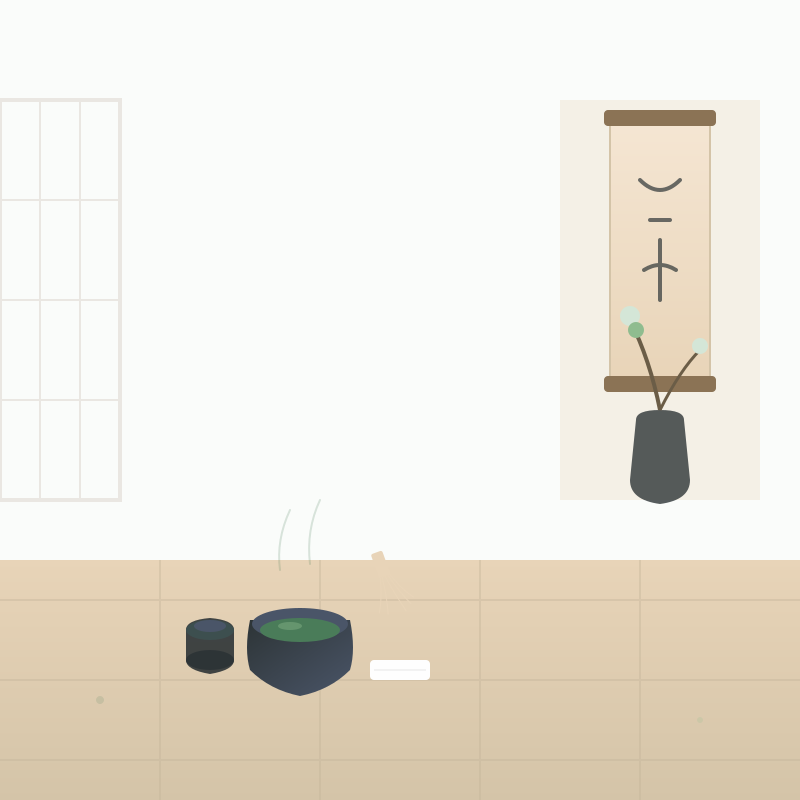
Traditional matcha in a ceremonial bowl

What is Matcha?

Matcha is more than just green tea. It's a 900-year-old tradition, a mindfulness practice, and nature's most powerful antioxidant—all in one vibrant green cup.

Unlike conventional green tea where leaves are steeped and discarded, matcha involves consuming the entire leaf, stone-ground into an ultra-fine powder. This means you receive the full spectrum of nutrients, flavours, and benefits that the tea plant has to offer.

The word "matcha" (抹茶) literally translates to "powdered tea"—but this simple translation belies the extraordinary care, craftsmanship, and cultural significance behind every gram of quality matcha.

The History of Matcha

From Tang Dynasty China to modern-day cafés, the journey of matcha spans over a millennium.

618-907

Origins in Tang Dynasty China

The practice of grinding tea leaves into powder and whisking with hot water originated during China's Tang Dynasty. Buddhist monks discovered that this concentrated form of tea enhanced meditation, providing calm alertness for hours of spiritual practice.

Ancient Chinese tea preparation
1191

Eisai Brings Tea to Japan

The Zen Buddhist monk Eisai returned from studying in China, bringing tea seeds and the powdered tea preparation method to Japan. He planted the first tea seeds at Kyoto and wrote Kissa Yōjōki (喫茶養生記), "How to Stay Healthy by Drinking Tea"—Japan's first tea treatise.

"Tea is the ultimate mental and medical remedy and has the ability to make one's life more full and complete."— Eisai, 1211
1336-1573

The Muromachi Period: Tea Becomes Art

During the Muromachi period, the Japanese tea ceremony (Chadō) began taking shape. The warrior class embraced tea culture, and elaborate tea-tasting parties became a mark of sophistication. Special shaded growing techniques were developed in Uji, Kyoto, creating the distinctive bright green colour and umami flavour we associate with premium matcha today.

1522

Sen no Rikyū and Wabi-Sabi

The tea master Sen no Rikyū transformed the tea ceremony into a profound spiritual practice based on four principles: Wa (harmony), Kei (respect), Sei (purity), and Jaku (tranquility). He emphasised wabi-sabi aesthetics—finding beauty in imperfection and simplicity—principles that continue to define the tea ceremony today.

1738

The Uji Method Perfected

Nagatani Sōen developed the "Uji method" of processing tea, involving steaming, rolling, and drying the leaves. This revolutionary technique, combined with shade-growing, produced matcha of unprecedented quality. Uji remains one of Japan's most prestigious matcha-producing regions.

1859

Japan Opens to the World

Following the end of Japan's isolationist policies, Japanese tea began its journey westward. However, matcha remained largely unknown outside Japan, with sencha (steeped green tea) dominating exports.

2000s

The Global Matcha Renaissance

Scientific research revealing matcha's exceptional health benefits, combined with the global wellness movement, sparked unprecedented international interest. From Los Angeles to London, matcha cafés appeared, and the vibrant green powder became a symbol of healthy living. Today, Japan exports over 4,000 tonnes of matcha annually, with demand continuing to grow.

Japan's Premier Tea Regions

Uji tea fields

Uji, Kyoto

The birthplace of Japanese matcha culture. Uji's misty climate and mineral-rich soil produce matcha renowned for its sweetness and complexity. Home to the oldest tea farms in Japan.

Nishio tea fields

Nishio, Aichi

Producing over 60% of Japan's matcha, Nishio combines traditional methods with modern consistency. The region's unique microclimate yields matcha with a clean, balanced flavour profile.

Kagoshima tea fields

Kagoshima

Japan's southernmost tea region benefits from volcanic soil and a longer growing season. Kagoshima matcha tends to be more robust with a deeper green colour.

Types & Grades of Matcha

Not all matcha is created equal. Understanding grades helps you choose the right matcha for your purpose.

Premium

Ceremonial Grade

  • Colour: Vibrant, electric green
  • Texture: Ultra-fine, silky
  • Taste: Sweet, umami, no bitterness
  • Leaves: Youngest, first harvest only
  • Processing: Stone-ground, stems removed

Best for: Traditional tea ceremony, drinking straight with water

£25-60 per 30g

Daily

Premium Grade

  • Colour: Bright green
  • Texture: Fine powder
  • Taste: Balanced, slight astringency
  • Leaves: Second harvest, quality leaves
  • Processing: Stone or machine ground

Best for: Daily drinking, lattes, smoothies

£15-25 per 30g

Cooking

Culinary Grade

  • Colour: Olive to yellow-green
  • Texture: Slightly coarser
  • Taste: Robust, more bitter
  • Leaves: Later harvests, mature leaves
  • Processing: Machine ground

Best for: Baking, cooking, ice cream, large-batch lattes

£8-15 per 30g

Matcha whisk

Pro Tip: The Float Test

Quality matcha should float briefly on water before sinking. If it immediately sinks or clumps, it may be stale or low-grade. The finest ceremonial matcha will create a smooth, even suspension when whisked.

Understanding Harvest Times

Spring

Ichibancha (First Flush)

April-May. The most prized harvest. After months of dormancy, tea plants concentrate nutrients in new leaves. These young leaves contain the highest L-theanine content and produce the sweetest, most complex matcha.

Summer

Nibancha (Second Flush)

June-July. Faster-growing leaves with more catechins but less L-theanine. Produces good-quality matcha suitable for daily drinking and lattes.

Autumn

Sanbancha (Third Flush)

August-September. Higher in tannins with a more astringent profile. Typically used for culinary-grade matcha where the stronger flavour can stand up to cooking.

Health Benefits

Science meets tradition. Discover why matcha has been revered for centuries—and what modern research reveals.

137x

more EGCG antioxidants than regular green tea

Brain icon

Enhanced Focus & Calm

Matcha contains L-theanine, an amino acid that promotes alpha wave production in the brain. Combined with caffeine, it creates a state of "calm alertness"—focused concentration without anxiety or jitters.

The Science: L-theanine crosses the blood-brain barrier and increases dopamine and GABA production, promoting relaxation while maintaining alertness. A 2017 study found that L-theanine significantly improved attention and reaction time.

Energy icon

Sustained Energy

Unlike coffee's spike-and-crash, matcha provides 4-6 hours of steady energy. The combination of caffeine and L-theanine creates a slow-release effect, avoiding the jitters and afternoon slump.

The Science: One cup of matcha contains approximately 70mg of caffeine (vs. 95mg in coffee), but the L-theanine slows caffeine absorption, extending its effects and preventing the cortisol spike associated with coffee.
Heart icon

Heart Health

Regular green tea consumption is associated with reduced risk of cardiovascular disease. Matcha, being more concentrated, amplifies these benefits through its high catechin content.

The Science: A meta-analysis of 13 studies found that green tea catechins reduced LDL cholesterol by an average of 2.19 mg/dL. EGCG has also been shown to improve arterial function and reduce blood pressure.
Metabolism icon

Metabolism Support

Matcha has been shown to enhance thermogenesis (the body's rate of burning calories) and support fat oxidation, particularly during exercise.

The Science: A study published in the American Journal of Clinical Nutrition found that green tea extract increased fat oxidation by 17% during moderate-intensity exercise. EGCG inhibits COMT, an enzyme that breaks down norepinephrine, extending its fat-burning effects.
Immunity icon

Immune Support

Matcha's catechins have antiviral and antibacterial properties. EGCG has been shown to inhibit the replication of various viruses and support overall immune function.

The Science: Laboratory studies show that EGCG can interfere with viral attachment to host cells. Additionally, matcha's chlorophyll supports detoxification pathways, helping the body eliminate toxins efficiently.
Calm icon

Stress Reduction

The ritual of preparing matcha is itself a mindfulness practice. Combined with L-theanine's calming effects, matcha offers a natural way to manage daily stress.

The Science: Research shows L-theanine reduces cortisol levels and subjective stress. A 2019 study found that matcha consumption significantly reduced anxiety in a stress-prone population.

Nutritional Profile (per 1g matcha)

35mg Caffeine
14mg L-Theanine
105mg Catechins
3kcal Calories
306mg Potassium
2.3mg Vitamin C

The Art of Brewing

Master the traditional technique, then make it your own.

Essential Tools

Bamboo whisk (chasen)

Chasen (茶筅)

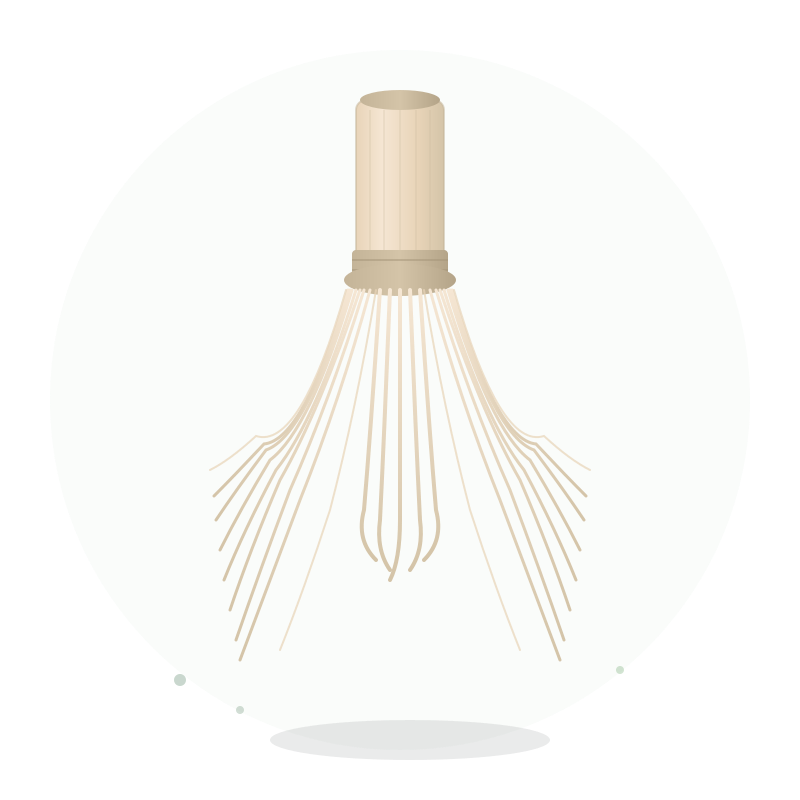
The bamboo whisk, with 80-120 fine tines, is essential for creating the perfect froth. Each chasen is hand-carved from a single piece of bamboo.

Tea bowl (chawan)

Chawan (茶碗)

The wide tea bowl allows room for whisking. Traditional chawan are handmade ceramics, each unique—imperfections are celebrated as wabi-sabi.

Bamboo scoop (chashaku)

Chashaku (茶杓)

The bamboo scoop measures the perfect amount of matcha. One heaping scoop equals approximately 1 gram.

Sifter (furui)

Furui (振るい)

A fine-mesh sifter breaks up clumps for a smooth, lump-free tea. This small step makes a significant difference in texture.

Traditional Preparation: Usucha (Thin Tea)

01

Heat Water

Heat fresh, filtered water to 70-80°C (158-176°F). Water that's too hot will scald the matcha, creating bitterness. If you don't have a thermometer, let boiling water cool for 2-3 minutes.

02

Warm & Sift

Pour hot water into your chawan to warm it, then discard. Sift 1-2 chashaku scoops (1.5-2g) of matcha directly into the bowl. This prevents clumps and ensures a smooth tea.

03

Add Water

Pour 60-70ml of your heated water into the bowl. For a stronger tea, use less water; for lighter tea, use more. The ratio is personal—experiment to find your preference.

04

Whisk

Hold the chasen vertically and whisk vigorously in a "W" or "M" motion (not circular). Use your wrist, not your arm. Continue for 15-20 seconds until a fine, even froth forms on the surface.

05

Finish

Once frothy, slow your whisking and gently lift the chasen from the centre to create a small peak of foam. The ideal surface should have tiny, uniform bubbles—no large bubbles.

06

Enjoy

Drink immediately—matcha is best fresh. In traditional tea ceremony, the bowl is turned twice clockwise before drinking, and consumed in three sips. But at home, simply savour it mindfully.

Modern Variations

Iced Matcha

Whisk matcha with a small amount of hot water to form a paste, then add cold water and ice. For best results, shake in a cocktail shaker for an extra-frothy finish.

Matcha Latte

Prepare matcha as usual with 30ml water, then add 200ml of your preferred steamed milk. Oat milk's natural sweetness complements matcha beautifully.

Koicha (Thick Tea)

The ceremonial style: use 3-4g matcha with only 30ml water. Knead (don't whisk) into a thick, paint-like consistency. Only ceremonial-grade matcha is suitable—lower grades will be unpleasantly bitter.

Common Mistakes to Avoid

  • Using boiling water: This scorches the matcha, destroying delicate flavours and creating bitterness.
  • Not sifting: Matcha powder clumps easily. Skipping this step results in lumpy, uneven tea.
  • Circular whisking: This doesn't incorporate enough air. Use the W/M motion from the wrist.
  • Old matcha: Once opened, use within 1-2 months. Stale matcha loses vibrancy and develops hay-like flavours.
  • Wrong ratio: Too much powder creates undrinkable bitterness; too little tastes watery. Start with 1.5g and adjust.

Tea Culture & Philosophy

More than a beverage—a path to mindfulness and presence.

Japanese tea ceremony

Chadō: The Way of Tea

The Japanese tea ceremony, known as Chadō (茶道) or Sadō, is far more than making tea. It's a choreographed ritual practised for centuries, embodying Zen Buddhist principles and the aesthetic concept of wabi-sabi—finding beauty in simplicity and imperfection.

Every movement in the ceremony is deliberate and meaningful, from the way the host folds the cloth to the angle at which guests receive the bowl. This attention to detail cultivates ichigo ichie (一期一会)—the awareness that each gathering is unique and can never be replicated.

The Four Principles

Sen no Rikyū codified four principles that guide the tea ceremony and offer wisdom for daily life:

Wa – Harmony

Harmony between guests and host, between humans and nature, between the utensils and the setting. In the tea room, social hierarchies dissolve; all are equal before tea.

Kei – Respect

Sincere respect for all things and all people. The guest respects the host's effort; the host respects the guest's presence. Even humble utensils are treated with reverence.

Sei – Purity

Purity of heart and space. The ritual cleansing of utensils symbolises the purification of the mind. Entering the tea room, one leaves worldly concerns behind.

Jaku – Tranquility

The profound calm that arises when the first three principles are embodied. Not mere quietness, but a deep inner peace that comes from being fully present.

Bringing Tea Mind into Daily Life

You don't need a traditional tea room to benefit from tea ceremony principles. The essence of Chadō can transform your daily matcha ritual into a mindfulness practice:

  • Create space: Designate a quiet corner for your tea practice. Clear away distractions.
  • Move slowly: Resist the urge to rush. Each movement—scooping, sifting, whisking—deserves attention.
  • Engage your senses: Notice the colour of the powder, the sound of whisking, the aroma rising from the bowl, the warmth in your hands.
  • Express gratitude: Before drinking, take a moment to appreciate the journey from tea field to your cup—the farmers, the craftsmanship, the tradition.
  • Be present: Let go of yesterday's regrets and tomorrow's worries. There is only this bowl, this moment.

Buying Guide

How to choose quality matcha and avoid common pitfalls.

Signs of Quality Matcha

Vibrant Green Colour

Quality matcha is electric green, almost neon. Dull, olive, or yellowish matcha indicates poor shade-growing, old stock, or low-grade leaves.

Fine, Silky Texture

Premium matcha feels like eyeshadow or talc—impossibly fine. Gritty or coarse texture suggests improper grinding or added fillers.

Fresh, Grassy Aroma

Open the tin and inhale. Quality matcha smells fresh, vegetal, and slightly sweet—like spring grass. Stale matcha smells like hay or has no aroma.

Origin Transparency

Reputable sellers specify the region (Uji, Nishio, Kagoshima), harvest season, and sometimes the specific farm. Vague origins are a red flag.

Red Flags to Avoid

Suspiciously Cheap Prices

Quality matcha requires shade-growing, hand-picking, and stone-grinding—none of which are cheap. If it seems too good to be true, it probably is. Expect to pay at least £15/30g for drinkable quality.

"Chinese Matcha"

While China originated powdered tea, most Chinese "matcha" today is ground sencha or even ground-up tea dust. It lacks the shade-growing and processing that define true matcha. Always look for Japanese origin.

No Harvest Date

Matcha is best consumed within 6-12 months of harvest. Without a harvest date, you can't know how fresh it is. Reputable brands include this information.

Non-Resealable Packaging

Matcha degrades quickly when exposed to light, heat, and air. Quality matcha comes in airtight, opaque tins or bags with resealable closures.

Storage & Shelf Life

Unopened

Store in a cool, dark place. Properly sealed matcha keeps for 12 months from harvest date. Refrigeration extends this but isn't necessary.

Opened

Once opened, use within 4-8 weeks for best quality. Always reseal tightly after each use. Consider refrigerating in summer, but let it reach room temperature before opening to prevent condensation.

Never

Never freeze matcha, expose it to direct sunlight, or store near strong odours (matcha absorbs smells easily). Keep away from the stove and other heat sources.

Recipes

Beyond the bowl: creative ways to enjoy matcha.

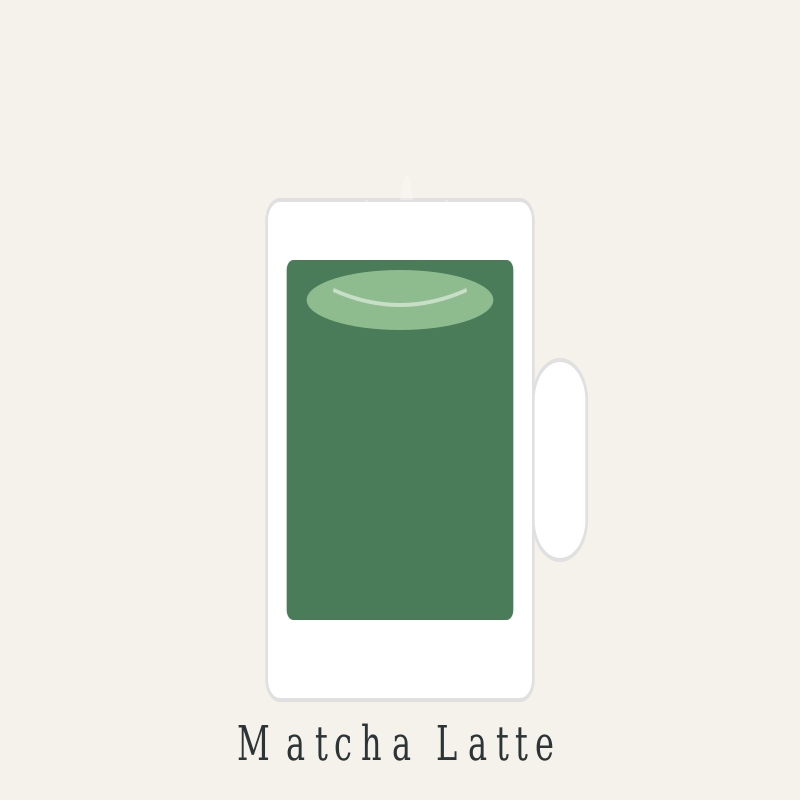
Matcha latte
Drink

Perfect Matcha Latte

Creamy, frothy, and perfectly balanced—the café favourite you can make at home.

View Recipe

Ingredients

  • 1.5g (1 tsp) premium grade matcha
  • 30ml hot water (70-80°C)
  • 200ml milk of choice
  • Sweetener to taste (optional)

Method

  1. Sift matcha into a bowl or cup
  2. Add hot water and whisk vigorously until smooth and frothy
  3. Steam or heat your milk until hot with small bubbles
  4. Pour matcha into a cup, add sweetener if using
  5. Slowly pour the steamed milk, holding back the foam
  6. Spoon foam on top for a café-style finish

Tip: Oat milk creates the creamiest lattes. For iced, pour matcha over ice and top with cold milk.

Matcha smoothie
Drink

Tropical Matcha Smoothie

A vibrant, energising breakfast or post-workout treat.

View Recipe

Ingredients

  • 1 tsp premium grade matcha
  • 1 frozen banana
  • 100g frozen mango chunks
  • 200ml coconut milk or oat milk
  • 1 tbsp nut butter (optional)
  • Handful of spinach (optional, for extra greens)

Method

  1. Add all ingredients to a high-speed blender
  2. Blend until completely smooth, about 60 seconds
  3. Pour into a glass and enjoy immediately

Tip: Freeze banana slices in advance for an extra-thick, ice-cream-like texture.

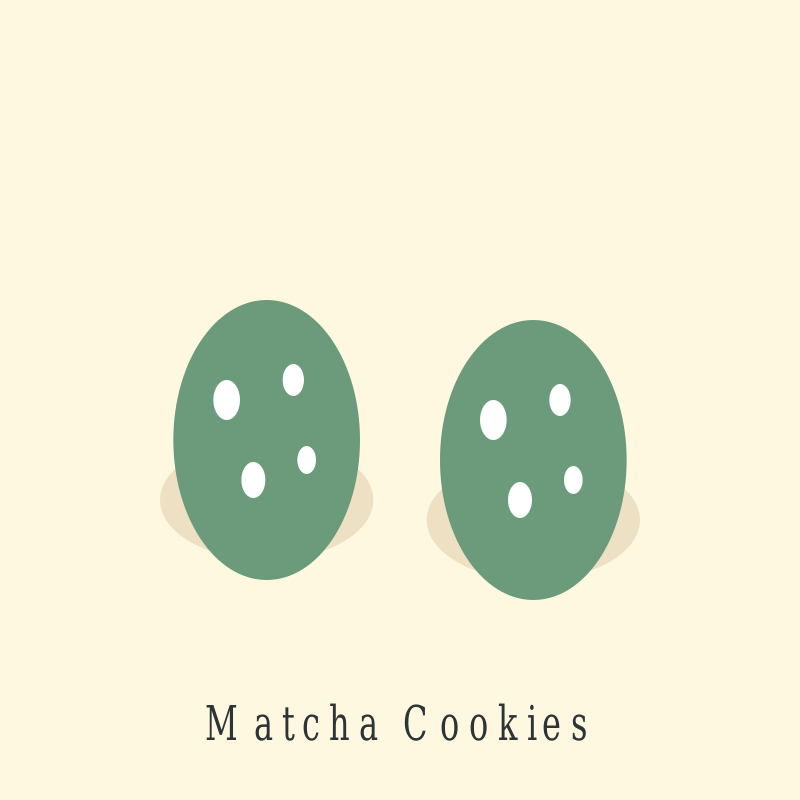
Matcha cookies
Baking

Matcha White Chocolate Cookies

Soft, chewy cookies with that distinctive matcha flavour and creamy white chocolate.

View Recipe

Ingredients (makes 12)

  • 115g softened butter
  • 100g caster sugar
  • 50g light brown sugar
  • 1 large egg
  • 1 tsp vanilla extract
  • 200g plain flour
  • 2 tbsp culinary grade matcha
  • 1/2 tsp baking soda
  • 1/4 tsp salt
  • 150g white chocolate chips

Method

  1. Cream butter and sugars until light and fluffy
  2. Beat in egg and vanilla
  3. Sift together flour, matcha, baking soda, and salt
  4. Fold dry ingredients into wet, then fold in chocolate chips
  5. Refrigerate dough for 30 minutes
  6. Scoop tablespoon-sized balls onto lined baking tray
  7. Bake at 180°C for 10-12 minutes until edges are set
  8. Cool on tray for 5 minutes before transferring

Tip: Use culinary grade matcha for baking—its stronger flavour holds up to other ingredients and heat.

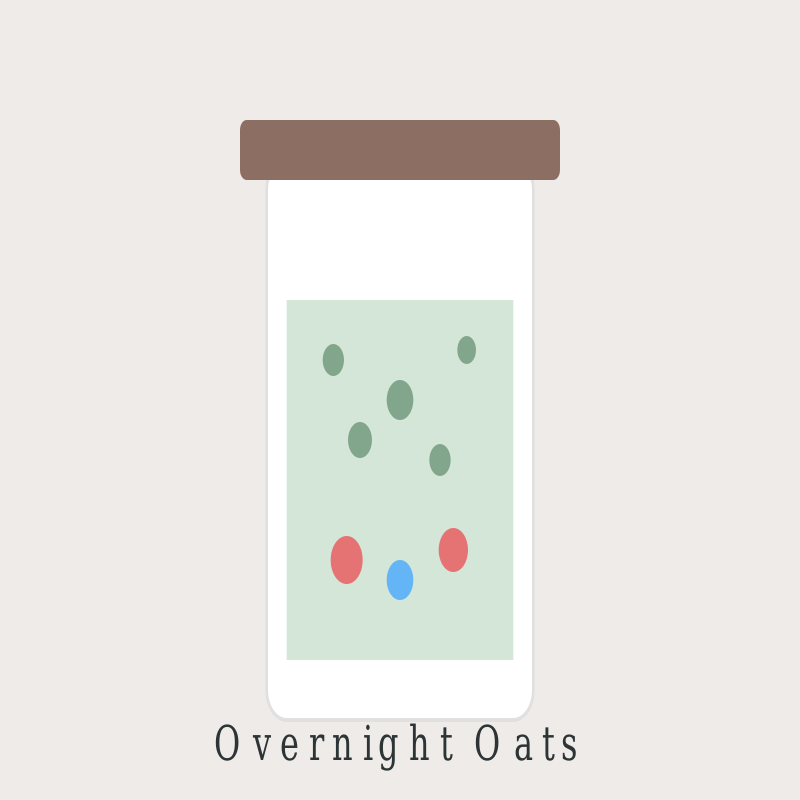
Matcha overnight oats
Breakfast

Matcha Overnight Oats

Prep tonight, wake up to a energising breakfast that's ready to eat.

View Recipe

Ingredients (serves 1)

  • 50g rolled oats
  • 1 tsp premium grade matcha
  • 150ml milk of choice
  • 50g Greek yoghurt
  • 1 tbsp maple syrup or honey
  • 1 tbsp chia seeds
  • Toppings: fresh berries, sliced banana, granola

Method

  1. Whisk matcha with a splash of milk until smooth
  2. Combine oats, remaining milk, yoghurt, sweetener, and chia seeds in a jar
  3. Stir in the matcha mixture
  4. Cover and refrigerate overnight (or at least 4 hours)
  5. In the morning, add toppings and enjoy cold or warmed

Tip: Make 3-4 jars on Sunday for grab-and-go breakfasts all week.

Matcha ice cream
Dessert

No-Churn Matcha Ice Cream

Rich, creamy matcha ice cream—no machine required.

View Recipe

Ingredients

  • 400ml double cream, cold
  • 400g condensed milk
  • 2 tbsp culinary grade matcha
  • 1 tsp vanilla extract
  • Pinch of salt

Method

  1. Sift matcha into condensed milk and whisk until completely smooth
  2. Add vanilla and salt, mix well
  3. In a separate bowl, whip cream to stiff peaks
  4. Gently fold condensed milk mixture into whipped cream
  5. Pour into a freezer-safe container
  6. Cover and freeze for at least 6 hours or overnight
  7. Let sit at room temperature for 5 minutes before scooping

Tip: For extra indulgence, swirl in white chocolate chips or red bean paste before freezing.

Frequently Asked Questions

Everything else you wanted to know about matcha.

How much caffeine is in matcha compared to coffee?

A typical serving of matcha (1-2g powder) contains 35-70mg of caffeine, compared to 95mg in a cup of coffee. However, the experience is quite different: matcha's L-theanine slows caffeine absorption, providing 4-6 hours of calm, focused energy rather than coffee's quick spike and crash.

Is matcha safe during pregnancy?

While matcha contains beneficial nutrients, it also contains caffeine. Most health guidelines recommend limiting caffeine to 200mg per day during pregnancy. One cup of matcha (35-70mg caffeine) is generally considered safe, but consult your healthcare provider for personalised advice.

Why does my matcha taste bitter?

Bitterness usually indicates one of these issues: (1) Water too hot—use 70-80°C, not boiling; (2) Low-quality matcha—culinary grade is more bitter than ceremonial; (3) Stale matcha—use within 4-8 weeks of opening; (4) Too much powder—try reducing the amount; (5) Under-whisked—proper whisking develops sweetness.

What's the difference between matcha and green tea?

Both come from the same plant (Camellia sinensis), but the similarities end there. Matcha plants are shade-grown for 3-4 weeks before harvest, boosting chlorophyll and L-theanine. The leaves are stone-ground into powder, meaning you consume the entire leaf. Regular green tea is steeped and discarded, so you only get a fraction of the nutrients. Matcha has approximately 10x the antioxidants of regular green tea.

Can I make matcha without a bamboo whisk?

Yes, though a chasen produces the best results. Alternatives: (1) Electric milk frother—quick and effective; (2) Small regular whisk—works but won't create traditional foam; (3) Shaker bottle—good for iced matcha; (4) Blender—best for lattes and smoothies. Avoid simply stirring with a spoon, which won't properly dissolve the powder.

How do I know if my matcha has gone bad?

Signs of stale or spoiled matcha: (1) Colour has faded from bright green to olive or brown; (2) Smells like hay instead of fresh grass; (3) Tastes flat or excessively bitter; (4) Texture has become clumpy despite sifting. Properly stored matcha doesn't technically "expire" but loses quality rapidly after opening.

Is it okay to drink matcha every day?

Yes, for most people. 1-2 cups daily is common in Japan and provides consistent benefits. However, be mindful of total caffeine intake, especially if you also consume coffee or other caffeinated beverages. Those with iron deficiency should note that tea can reduce iron absorption—drink matcha between meals rather than with them.

Why is quality matcha so expensive?

Premium matcha requires intensive labour: hand-picking only the finest leaves, shade-growing for weeks (requiring structures and maintenance), removing stems and veins by hand, and slow stone-grinding—a single mill produces only 40g per hour. The best matcha comes from first-harvest leaves, which are limited in quantity. You're paying for centuries of refined craftsmanship.

What's the best time of day to drink matcha?

Morning to early afternoon is ideal. Matcha's caffeine and L-theanine combination provides sustained energy perfect for starting the day or powering through an afternoon slump. Avoid drinking within 6 hours of bedtime, as the caffeine may interfere with sleep. Many people find it's an excellent pre-workout drink, enhancing focus and fat oxidation.

Can children drink matcha?

Matcha contains caffeine, so it's generally not recommended for young children. For older children and teenagers, small amounts (half a serving) may be fine occasionally, but water and milk should be the primary beverages. If you want to introduce the flavour, matcha-flavoured foods (baked goods, ice cream) contain smaller amounts and may be more appropriate.

Does matcha stain teeth?

Like all tea, matcha can contribute to tooth staining over time due to tannins. However, it stains less than coffee or black tea. To minimize staining: rinse your mouth with water after drinking, use a straw for iced matcha lattes, and maintain regular dental hygiene. The health benefits far outweigh this minor cosmetic concern.

What's the difference between ceremonial and culinary grade?

Ceremonial grade is made from the youngest, first-harvest leaves with stems and veins removed, stone-ground to an ultra-fine powder. It's meant for drinking straight with water—sweet, smooth, and bright green. Culinary grade uses older leaves, is often machine-ground, and has a more robust (sometimes bitter) flavour that holds up in recipes. Using culinary grade for drinking or ceremonial grade for baking is a waste of money and flavour.

Is organic matcha better?

Not necessarily. Organic certification ensures no synthetic pesticides were used, which matters since you consume the whole leaf. However, Japan's agricultural standards are strict regardless of organic certification. Some of the best matcha farms aren't organic certified but follow traditional, sustainable practices. Focus on origin transparency and producer reputation rather than organic labels alone.

Can I cook with ceremonial grade matcha?

You can, but it's wasteful. Ceremonial grade's delicate flavours are destroyed by heat and masked by other ingredients. Its higher price doesn't translate to better baked goods. Culinary grade is specifically designed for cooking—its stronger flavour profile survives heat and complements sweet ingredients. Save your ceremonial grade for drinking.

How do I care for my bamboo whisk?

Rinse your chasen with warm water immediately after use—never use soap. Gently shake off excess water and store on a whisk holder (kusenaoshi) to maintain its shape. Let it air dry completely before storing. With proper care, a quality chasen lasts 1-2 years of daily use. When the tines start breaking, it's time for a replacement.

Begin Your Matcha Journey

Now you have the knowledge. All that's left is to experience it for yourself. May your tea bring you peace, focus, and wellbeing.

Return to Brewing Guide